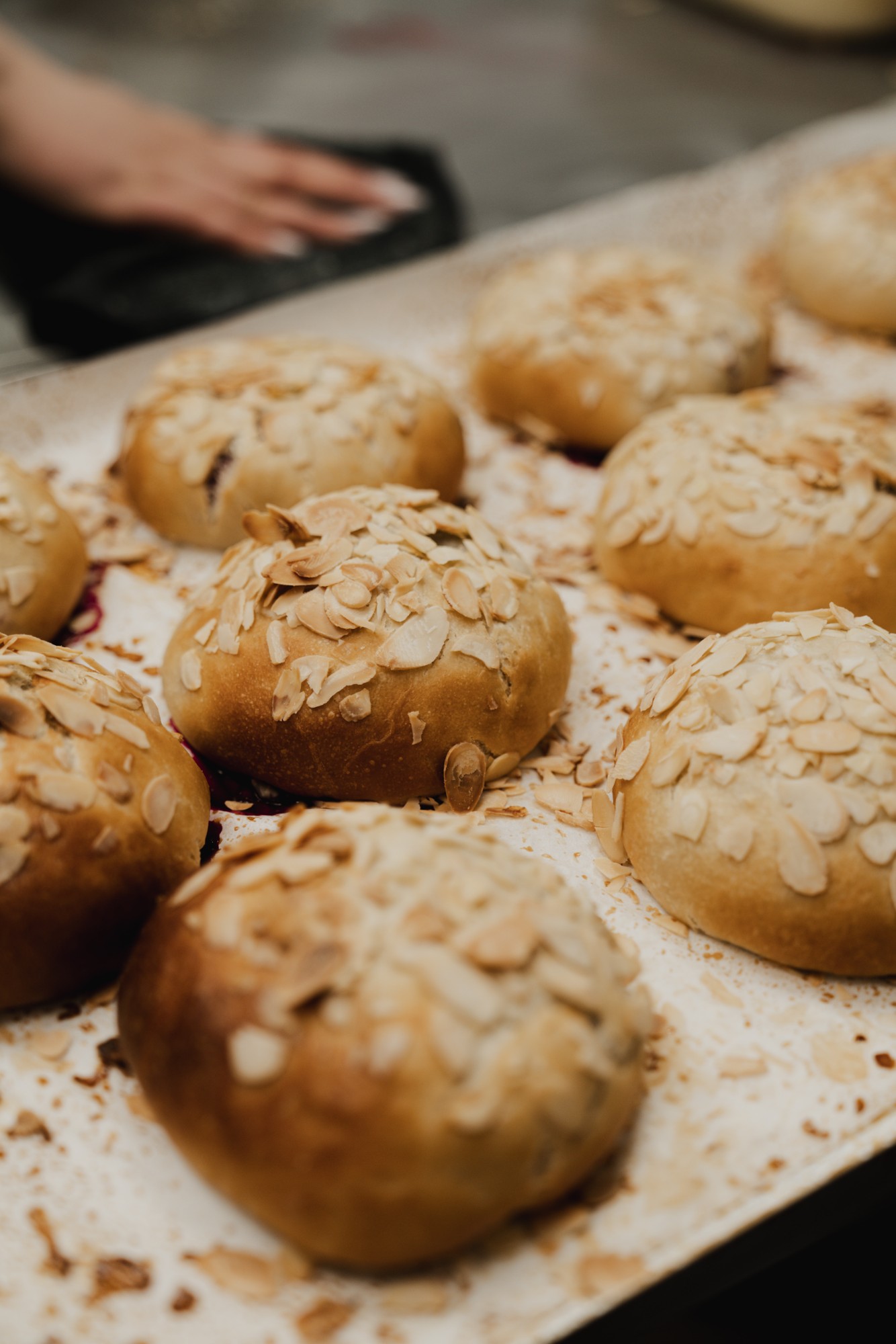
What to Eat in Gdańsk: Polish Pastries Explained
Drożdżówka, pączek, sernik, makowiec — the names on a Polish bakery counter are not obvious. Here is what each pastry is, how to pronounce it and when it is in season.
Read the guideGuides from a Wrzeszcz bakery
What to try in Gdańsk, what Polish pastry names mean, and how to order bread, cakes and seasonal bakes — written by Mimosa Wypieki in Gdańsk Wrzeszcz.

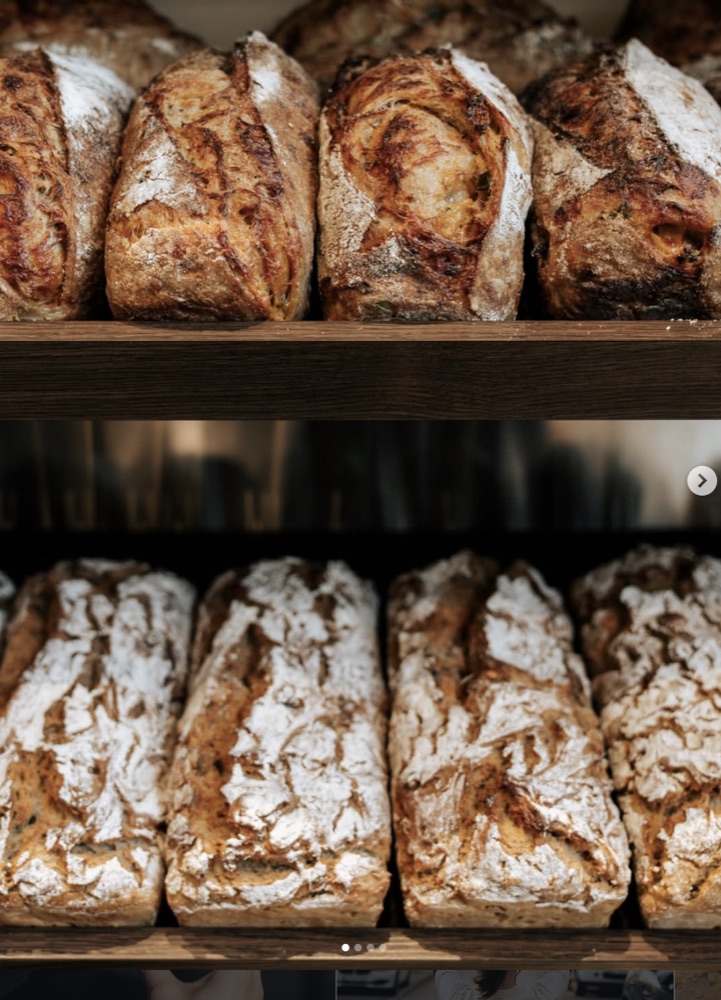
Rye is the heart of Polish bread. This guide explains the words on the counter, what to expect from the crumb, and how to take a loaf home.

Two very different cheesecakes share Polish bakery counters. Here is how they differ and how to choose.

A cynamonka is the Polish word for a cinnamon roll. Here is what to expect, which variants exist and how to enjoy them.

Polish sernik placed second in a world cheesecake ranking, level with the Basque cheesecake. Here is what that means and where to taste both in Gdańsk.

Every year around 11 November, Poland eats white poppy seed croissants. One of them has EU-protected status. Here is how the Poznań original and Gdańsk bakery versions differ.

Wigilia is the main event of Polish Christmas. Here is what is on the table, what the traditions mean, and how to order festive food in Gdańsk.

Once a year, Poland queues for doughnuts. Here is what a pączek is, what is inside, and when Fat Thursday falls in 2027.

Wrzeszcz is the residential, café-lined district north-west of Gdańsk's Main Town. Here is how to spend a relaxed morning there.

The easiest way from the airport to central Gdańsk is a PKM train to Wrzeszcz. Here is how it works and what to check.

Need a birthday cake or a wedding cake in Gdańsk? Here is how ordering works, what to prepare, and how far ahead to ask.

A practical guide to ordering breakfast and event catering in Gdańsk: what to ask for, how far ahead, and how quotes and invoices work.

Some of our products are vegan; none are gluten-free. Here is the honest picture, plus a Polish-English allergen cheat sheet.